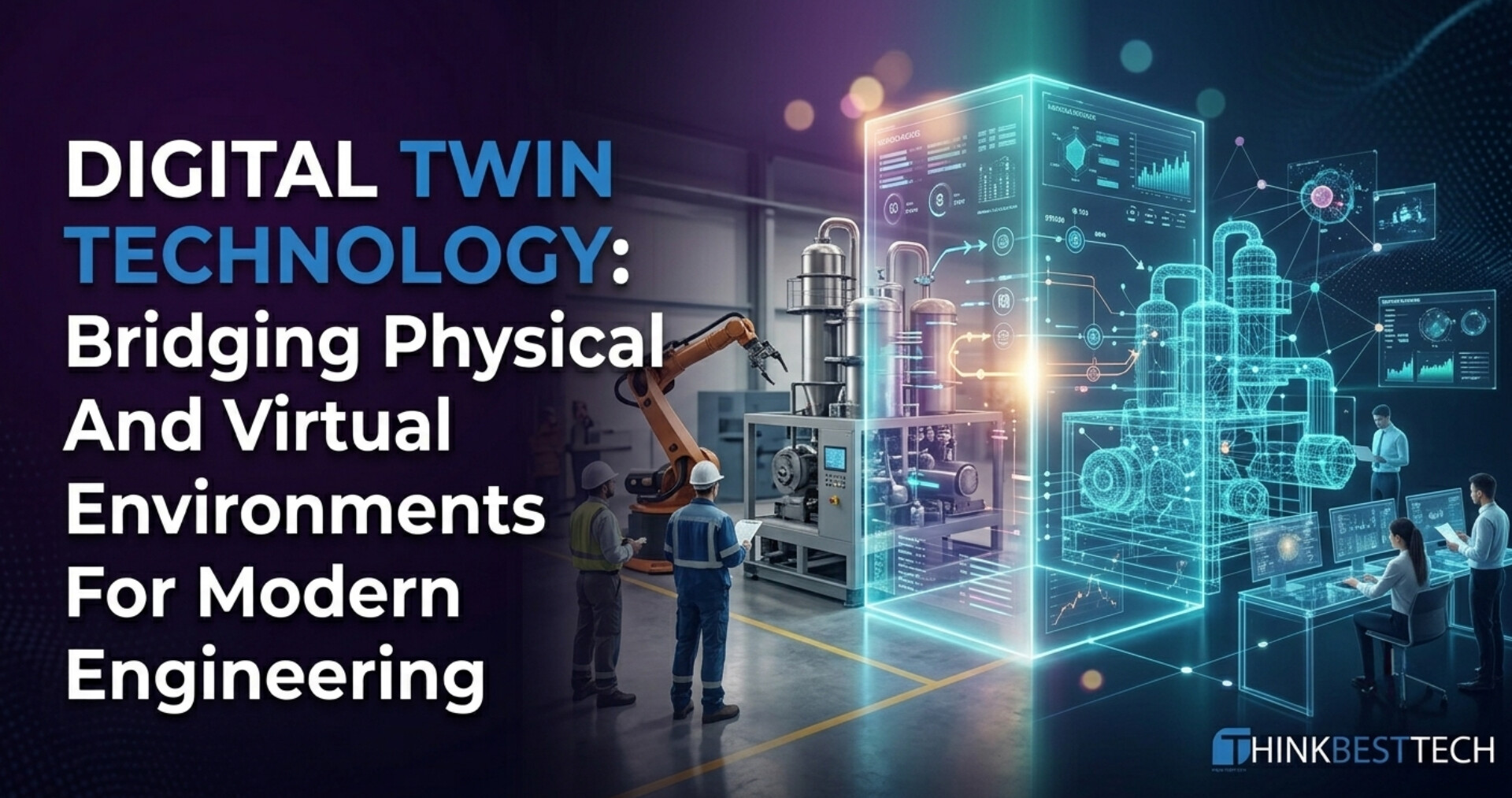
• Digital Twin Technology: Bridging Physical And Virtual Environments For Modern Engineering

    Modern engineering constantly seeks methods to reduce physical waste while maximizing operational efficiency. Creating a perfect virtual replica of a physical object, system, or process offers an elegant solution to this challenge. Digital twin technology goes far beyond standard computer-aided design by establishing a continuous, real-time data connection between a tangible asset and its digital…
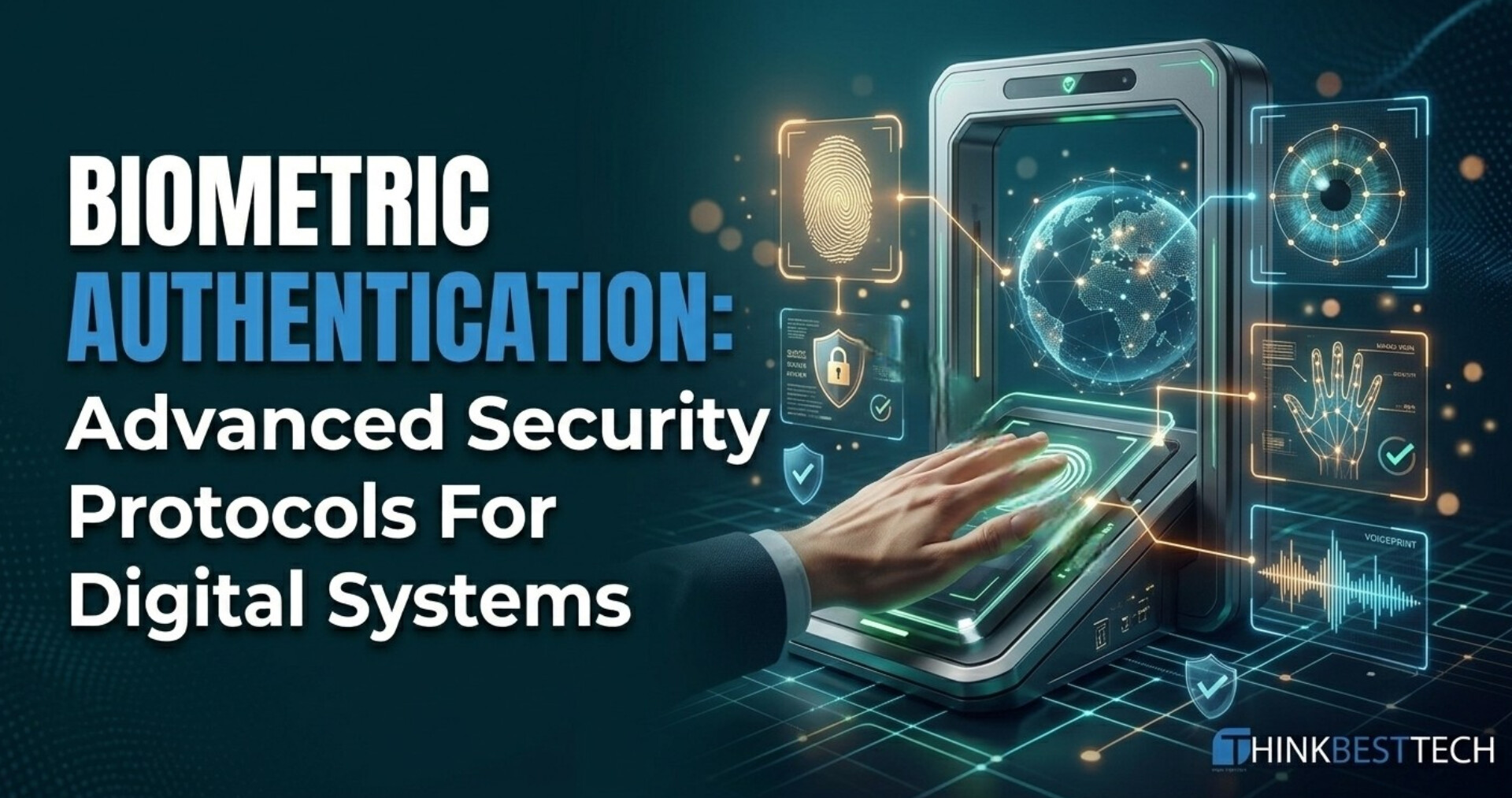
  • Biometric Authentication: Advanced Security Protocols For Digital Systems

    Traditional password protocols are rapidly becoming obsolete in an era of sophisticated cyber threats. Relying on alphanumeric sequences to protect sensitive information leaves systems vulnerable to brute-force attacks, phishing, and human error. To counter these vulnerabilities, digital infrastructure has shifted toward biometric authentication, utilizing unique biological characteristics to verify user identity. This technological leap provides…

  • Brain-Computer Interfaces: Merging Human Cognition With Digital Ecosystems

    Direct communication between human cognition and external hardware represents one of humanity’s most ambitious technological leaps. Brain-Computer Interfaces bypass traditional physical inputs like keyboards, mice, or touchscreens entirely. Instead, these advanced systems translate raw neural activity directly into actionable digital commands. By capturing electrical signals generated by cortical neurons, specialized software can interpret human intent…

  • Serverless Computing Explained: Architecture and Modern Development Strategies

    raditional application deployment requires engineers to constantly manage, provision, and maintain backend infrastructure. As software demands become increasingly complex, organizations are searching for ways to eliminate this operational overhead. Serverless computing emerges as a powerful architectural pattern that shifts the responsibility of server management entirely to cloud providers, allowing engineering teams to focus strictly on…

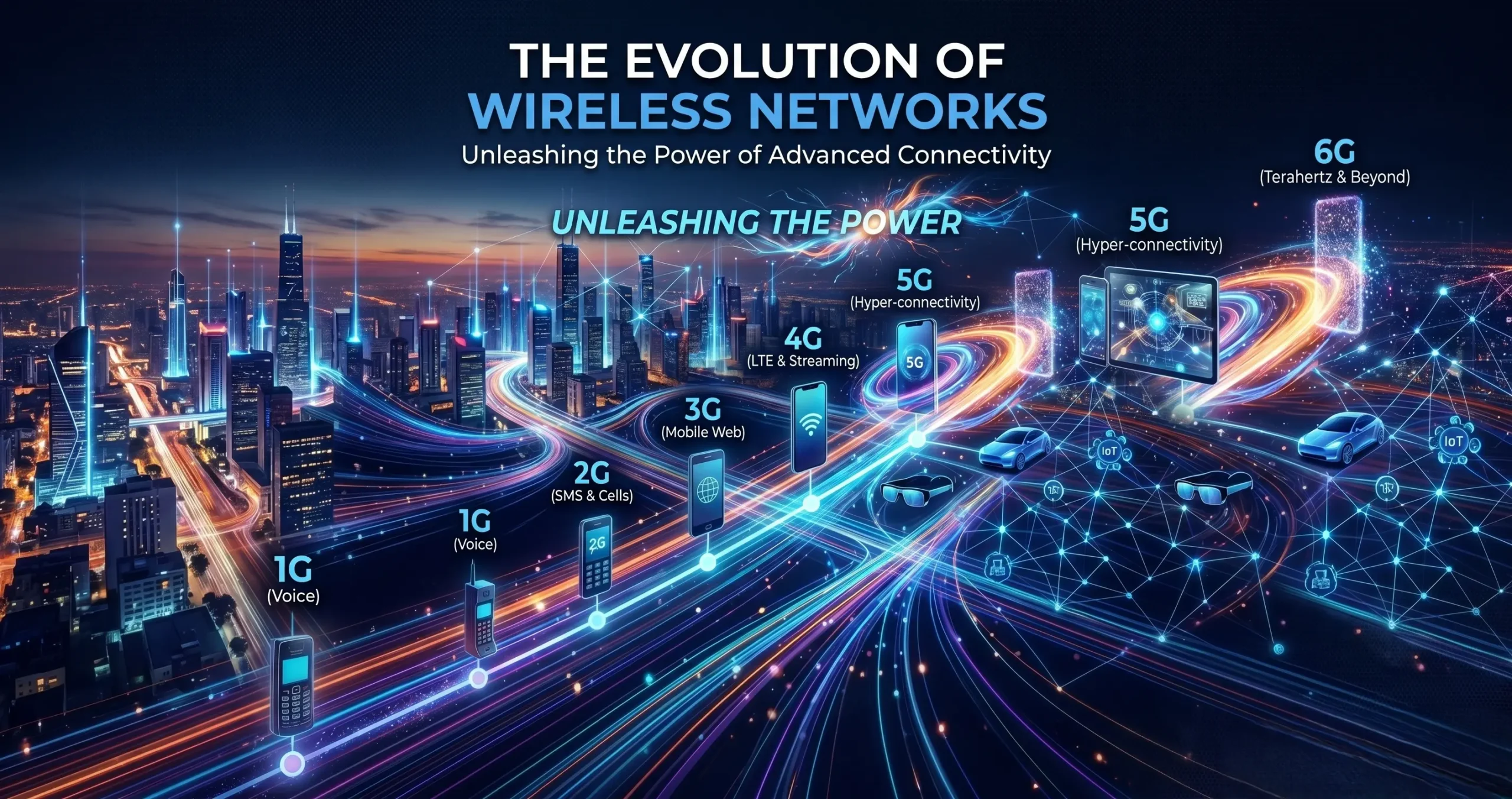
  • The Evolution of Wireless Networks: Unleashing the Power of Advanced Connectivity

    The demand for instantaneous, high-capacity data transmission has driven rapid advancements in telecommunications infrastructure. The global rollout of advanced wireless networks fundamentally altered how devices communicate, moving far beyond simply upgrading mobile broadband speeds. This robust connectivity layer serves as the critical nervous system for modern digital economies, enabling entirely new categories of technological innovation…

  • The Rise of Spatial Computing: How AR and VR are Reshaping Interaction

    The integration of digital elements into our physical surroundings represents a monumental shift in human-computer interaction. Spatial computing has moved well beyond the realm of gaming and entertainment, establishing itself as a transformative technology for productivity, communication, and digital design. By utilizing augmented reality (AR) and virtual reality (VR), developers are breaking free from the…